)
Mar 25, 2026
Redwood's energy storage systems meet (and exceed) new safety benchmark
Read post
)
Data centers are at the epicenter of the U.S. energy transition. By 2028, they could consume 12% of U.S. electricity—triple their 2023 load—driven by explosive growth in artificial intelligence and cloud computing. But traditional power infrastructure can't keep pace. Average grid interconnection timelines exceed 2-4 years, with full transmission upgrades often taking 7-10 years. For AI factories and hyperscale data centers, where delays mean billions in lost revenue, this timeline doesn't work.
Battery Energy Storage Systems (BESS) are emerging as the solution.
Modern data centers face a perfect storm of power constraints. AI workloads require massive, continuous power: a single large language model (LLM) training run can consume as much electricity as hundreds of homes use in a year. Plus, they can’t tolerate extended outages; even brief interruptions can cost millions and damage customer trust.
Planned facilities remain unbuilt as the queue for new grid connections continues to grow and utilities struggle with aging infrastructure. Adding to this pressure, demand charges (fees based on peak power consumption) can represent a significant portion of operational expenses, creating urgent need for solutions that provide reliable, cost-effective power without the delays of traditional grid interconnection.
1. Backup Power & Grid Independence
BESS provides reliable backup power without the emissions, maintenance, and fuel costs of diesel generators. More importantly, it enables data centers to operate independently from an overtaxed grid if desired, reducing vulnerability to grid failures and providing seamless transitions during outages.
2. Peak Shaving & Demand Charge Reduction
By storing energy during off-peak hours and discharging during peaks, BESS dramatically reduces demand charges. For data centers with fluctuating loads, this translates to millions in annual savings.
3. Faster Time-to-Power
While grid interconnection takes years, BESS can be deployed in months and when combined with other generation sources, can help bridge or bypass interconnection. This speed-to-power advantage is critical for AI factories and hyperscalers racing to bring capacity online.
4. Load Flexibility & Grid Services
BESS enables data centers to participate in demand response programs, selling grid services back to utilities while maintaining operational flexibility. This creates new revenue streams while supporting grid stability.
5. Renewable Integration
Many data centers have sustainability commitments requiring renewable energy. BESS enables onsite solar and wind integration by storing excess generation and providing power when renewables aren't producing.
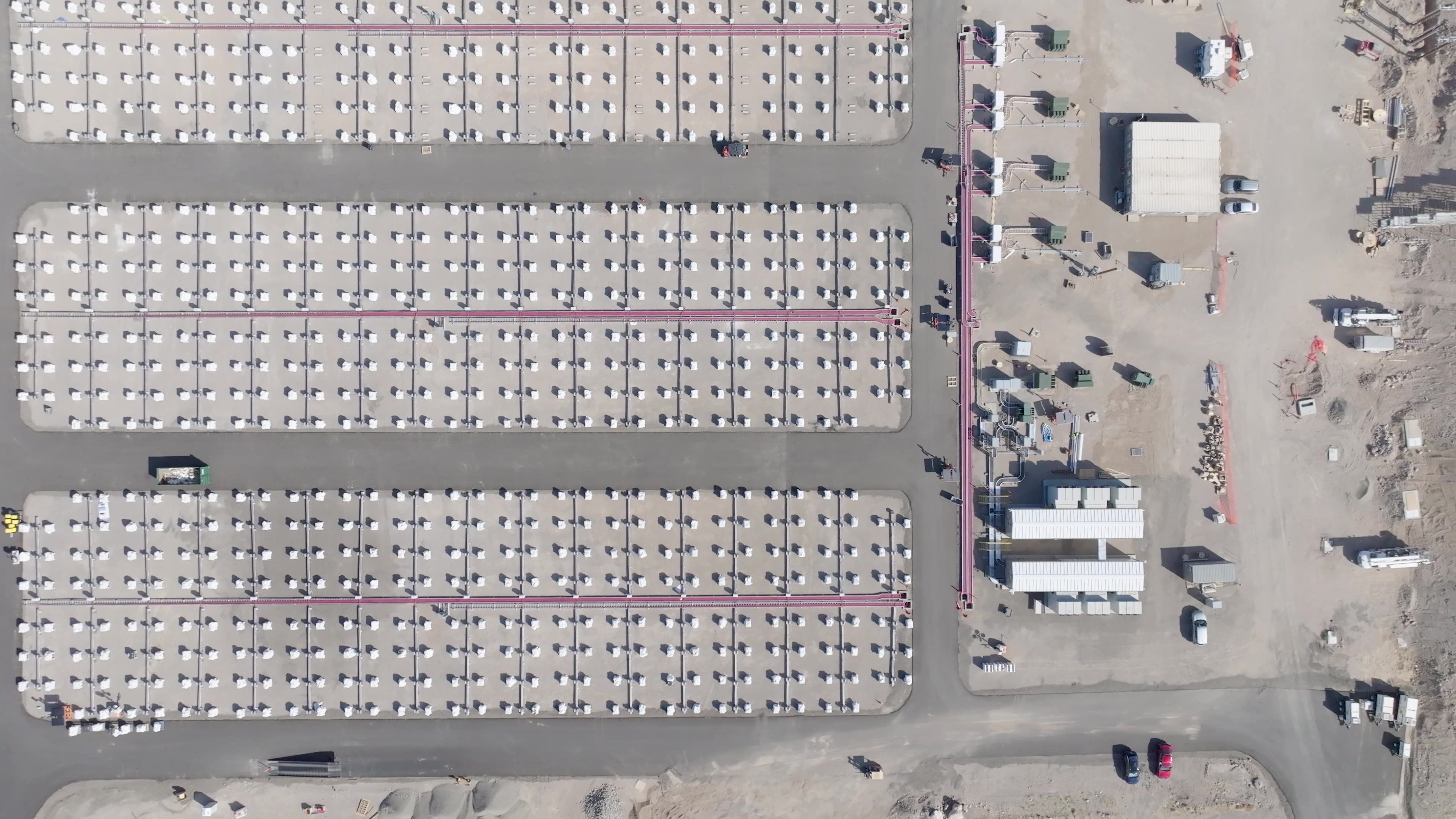
Redwood Energy has proven the viability of this approach at scale. At Redwood Materials' Nevada site, a 12 MW / 63 MWh microgrid—the largest in North America—was built and commissioned in under four months. It combines 12 megawatts of solar with second-life EV battery storage to power multiple megawatts of modular data centers operated by Crusoe, an AI factory company.
This microgrid uses repurposed EV battery packs managed by intelligent software that orchestrates thousands of diverse batteries as a single energy asset. The system provides the >99% uptime AI workloads demand while demonstrating the speed and economics possible with innovative storage approaches. The result: fast, reliable power at a lower cost.
For data centers evaluating BESS, several factors drive the business case:
Avoided interconnection delays: Months or years of revenue generation that would otherwise be lost
Demand charge reduction: Often 20-40% savings on electricity costs
Enhanced reliability: Reduced downtime and associated revenue loss
Renewable integration: Meeting corporate sustainability goals while reducing energy costs
Ancillary services revenue: Participating in grid services markets
Not all BESS solutions are created equal for data center applications. The ideal system balances high power output with sufficient energy capacity for sustained operation, typically requiring 4+ hours of duration to bridge renewable generation gaps or provide meaningful backup during grid outages.
Architecture matters significantly too: redundant design ensures that individual component failures don't cascade into service interruptions, while passive thermal management approaches reduce both operational complexity and long-term costs compared to systems dependent on extensive active cooling.
Perhaps most critically for growing AI infrastructure, the system must support capacity expansion without requiring complete redesign, allowing data centers to scale their storage seamlessly as power demands evolve.
As AI continues to drive unprecedented electricity demand, data centers cannot wait years for grid connections. Battery energy storage offers a path forward with reliable, cost-effective, rapidly deployable power infrastructure that enables the next generation of computing while supporting grid stability and renewable integration.
To learn more about Redwood Energy’s solutions, visit our website.
Resource Center
Mar 25, 2026
Redwood's energy storage systems meet (and exceed) new safety benchmark
Read post
)
Apr 1, 2026
Understanding repurposed energy storage systems
Read post
)
Jun 27, 2025
Redwood Energy: Fast, low-cost storage to power the age of AI and a changing grid
Read post
)
Apr 1, 2026
How battery energy storage systems (BESS) bridge energy generation and demand
Read post