
Jun 4, 2025
From the road to Redwood: Electric vehicle battery recovery
Read post
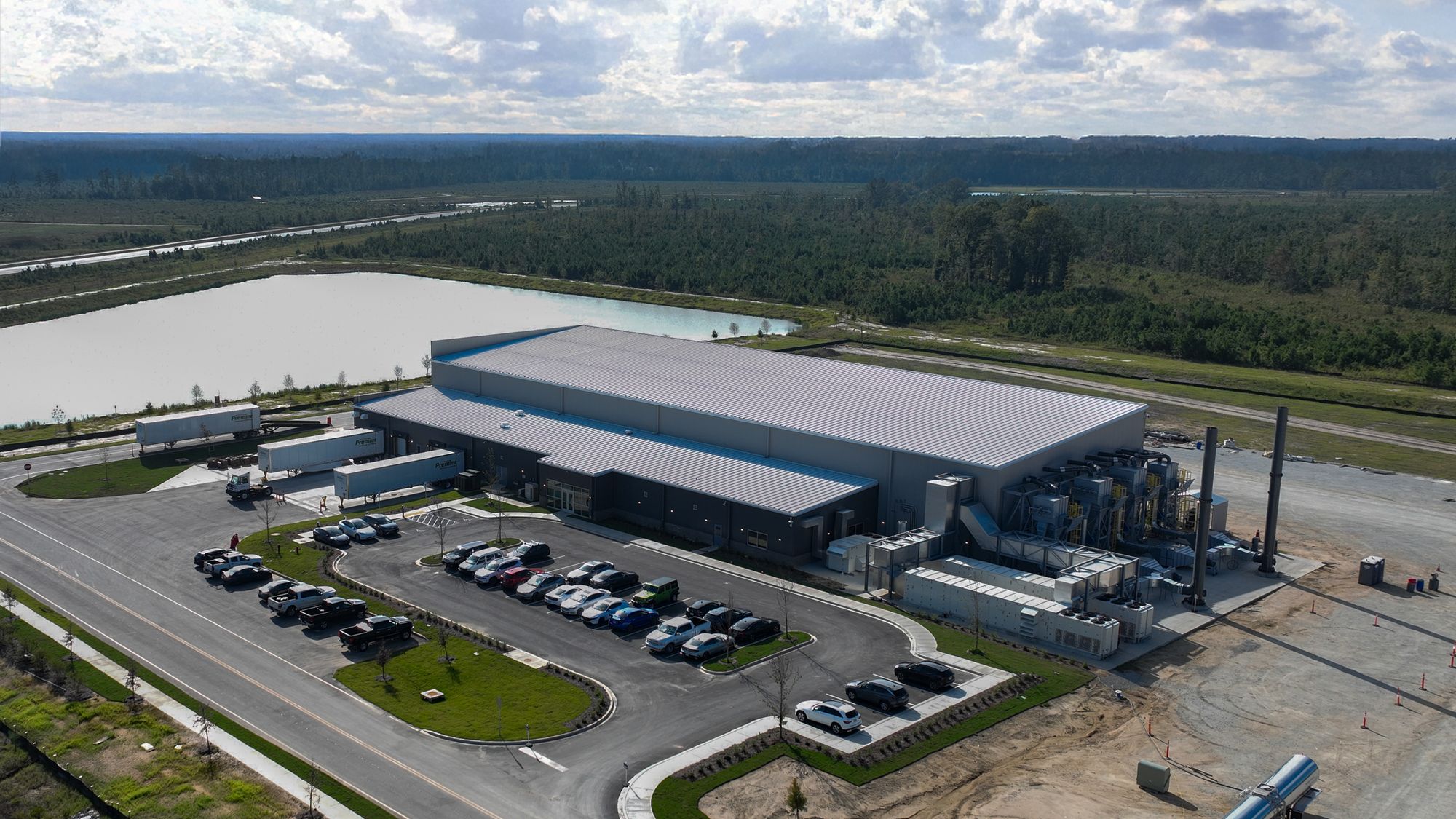
America runs on critical materials: cobalt, lithium, nickel, and copper. They are the backbone of our modern economy, powering everything from computers and smartphones to energy storage, defense systems, and AI data centers. Yet today, the United States imports nearly all of these minerals, often from unstable regions or adversarial nations.
Redwood’s mission is to change this.
Today, Redwood is on par with the largest U.S. source of nickel and stands as the only domestic source of cobalt at scale. Our operations also represent one of the most significant, and only new, domestic sources of lithium and copper to come online in decades. With roughly 90% of all lithium-ion batteries processed in North America coming through our facilities, Redwood’s Nevada Campus produced more than 60,000 metric tons of materials last year—making it one of the nation’s most important sources of critical minerals, mined or recycled. Now, we’re bringing our first operations online at our South Carolina campus, adding an initial 20,000 metric tons of annual materials production.
Critical minerals are costly to mine and concentrated in fragile supply chains dominated by China. Yet as one of the world’s largest markets for EVs, consumer electronics, and power tools, America already holds a tremendous stockpile of lithium, cobalt, nickel, copper, and manganese locked inside the products we use every day. Within the U.S. fleet of five million electric vehicles alone lies an estimated 2.25 million metric tons of these materials—resources we can unlock first through reuse in stationary storage systems and later through recovery of the underlying minerals.
Redwood’s goal is to keep these resources here; recovered, refined, and redeployed for America’s advantage. This strategy turns yesterday’s imports into tomorrow’s strategic stockpile, making the U.S. stronger, more competitive, and less vulnerable to supply chains controlled by China and other foreign adversaries.
This isn’t just an economic issue; it’s a matter of national security. The same critical minerals that power batteries also underpin the technologies that keep the nation running and secure. Nickel and cobalt are also essential for aerospace and defense alloys, while copper forms the backbone of industrial wiring and power transmission. Even semiconductors and advanced electronics rely on cobalt and copper in their manufacturing processes. Redwood is providing domestic access to these materials, ensuring the U.S. maintains the resources needed for military readiness, technological leadership, and energy resilience here at home.
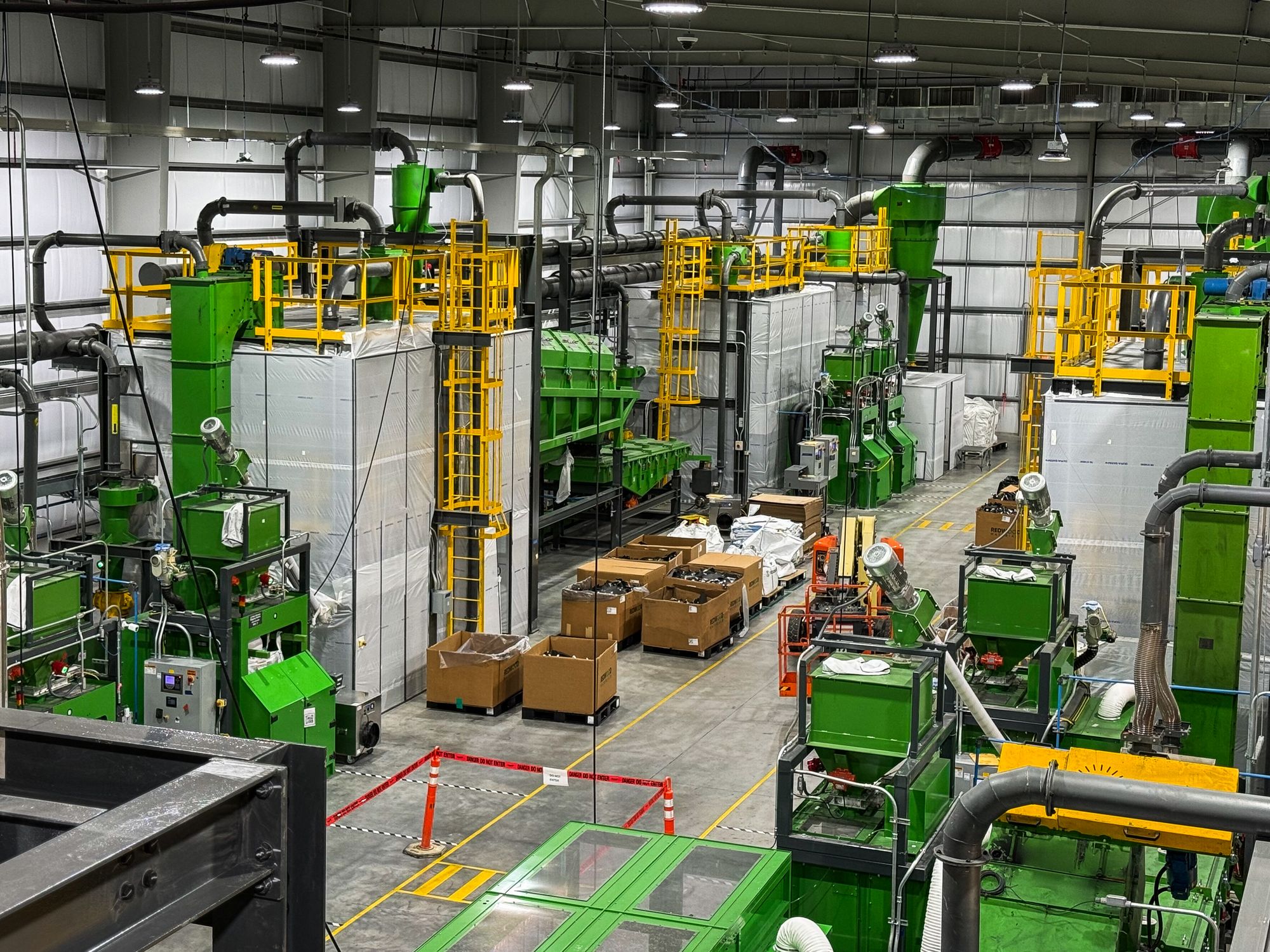
On our 600-acre campus in Berkeley County, South Carolina, operations have begun, with the first facility now recovering critical minerals. This is a small but significant start toward what will become one of the world’s largest recovery, refining, and manufacturing campuses. Over the next decade, Redwood will continue to grow in South Carolina, creating more than 1,500 good-paying jobs.
South Carolina has long been a leader in advanced manufacturing—from textiles to automotive to aerospace. With Redwood’s campus ramping up, the state is taking its next step into critical minerals. By keeping these resources at home, South Carolina is strengthening both the state and the nation—rebuilding American industry through high-value manufacturing, energy security, and local job creation.
By recovering critical minerals at scale, we’re building the foundation for American leadership in advanced manufacturing, infrastructure, and the high-power technologies of tomorrow. With recycling operations now online in South Carolina, Redwood helping transform the U.S. into a nation that can secure and reuse its own resources.
News
Jun 4, 2025
From the road to Redwood: Electric vehicle battery recovery
Read post

Oct 23, 2025
Redwood accelerates energy storage, announces $350 million Series E funding
Read post

Sep 19, 2024
BMW of North America and Redwood partner to recycle lithium-ion batteries
Read post
Dec 14, 2022
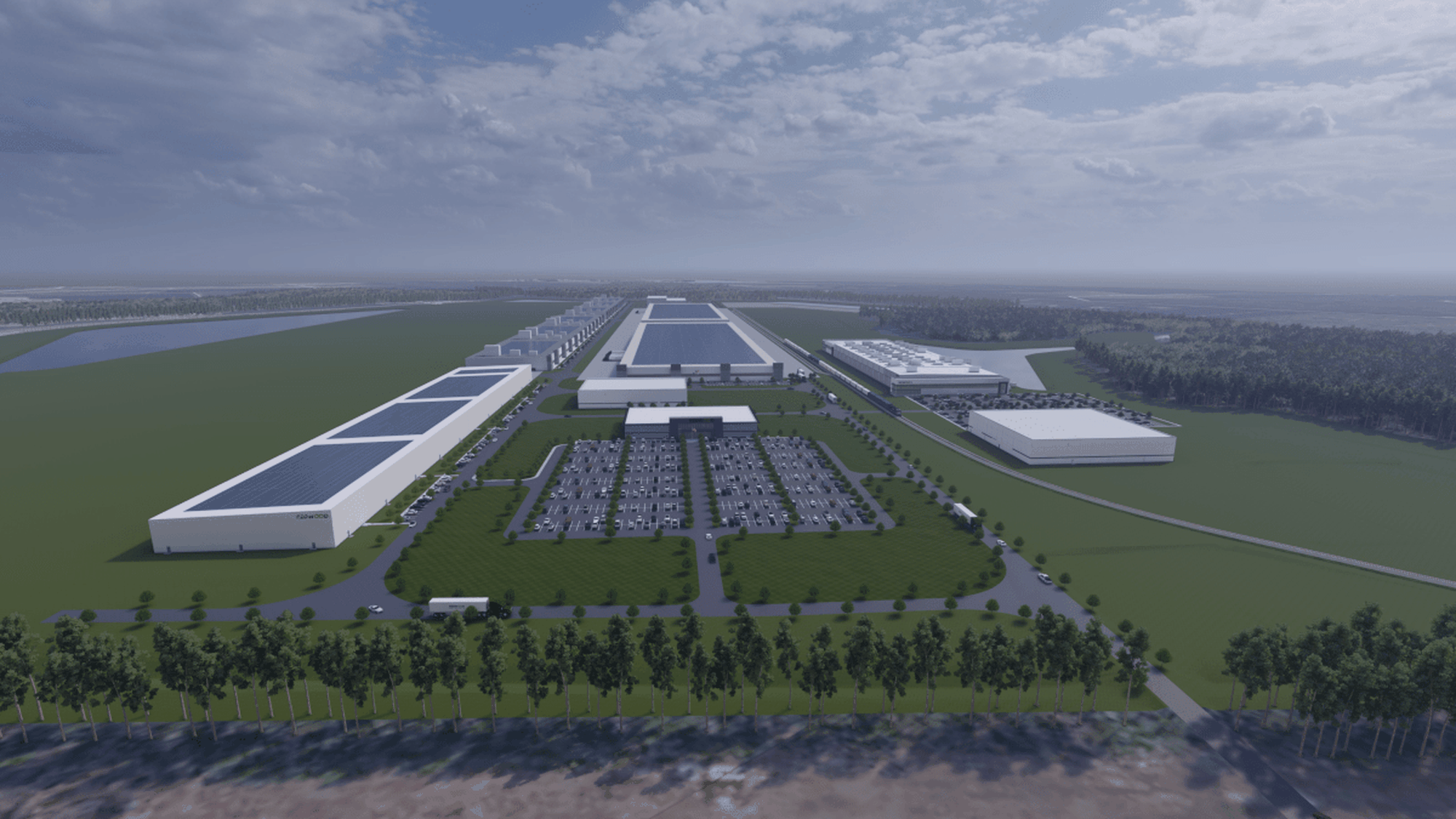
Redwood chooses Charleston, South Carolina region for new Battery Materials Campus
Read post