Oct 14, 2026
The Redwood Energy Ecosystem
Read post
At Redwood, we’re building energy storage solutions powered by EV battery packs, which means we spend a lot of time thinking about the material we’re receiving: the packs themselves. More than 100 distinct battery electric vehicle models have been sold in the United States. Each of these packs were engineered to power a specific vehicle, under that vehicle's own battery management system, at its own voltage and current profile. Each one carries a different pack architecture with different chemistry, different voltage, different controls software, different mechanical form factor. And none were designed with the expectation that they would someday power an entirely different application, alongside packs from other manufacturers, at different states of health, with a decades-long service life.
Reconciling those differences in chemistry, voltage, control software, and wear, while still delivering the reliability and warrantied performance grid infrastructure requires, is where Redwood has concentrated some of its hardest engineering work.
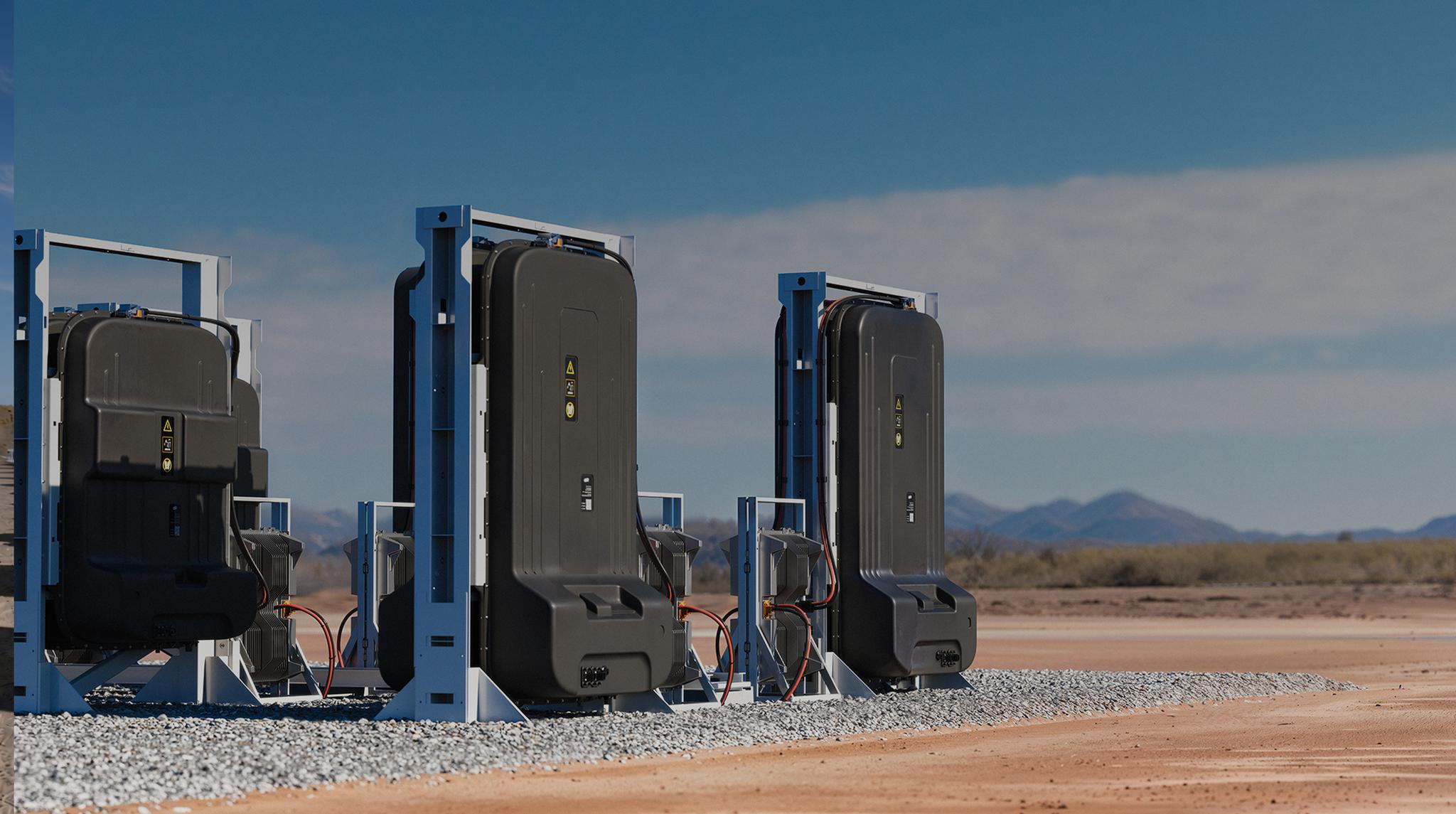
The result is the Pack Manager, our proprietary power electronics platform that sits between each individual EV battery pack and the rest of the Redwood battery energy storage system (BESS). This custom Redwood power electronics acts as a universal translator for any EV battery pack. A General Motors pack, a Rivian pack, and a Volkswagen pack can connect to the same system and operate as a single energy asset.
What does the Pack Manager actually do?
Electrically, the Pack Manager is a bidirectional, isolated DC-DC converter. We don’t wire packs to each other, because when you do, the weakest pack sets the limit for all of them. Instead, every pack connects through its own converter to a common DC bus. That interface is what allows packs of different chemistries, voltages, and vintages to coexist safely and efficiently within a single system, without requiring uniformity upstream.
The Pack Manager also runs our battery management software (BMS), which talks to each pack’s own BMS and enforces the pack’s operating limits. This matters because a healthy pack can carry more of the load than a tired one, and this logic is what lets the fleet be expanded or refreshed incrementally over time. Adding a new vehicle model is mostly a software problem for us, not a hardware redesign. When packs age out, we pull them and keep delivering power without redesigning.
How the Pack Manager works
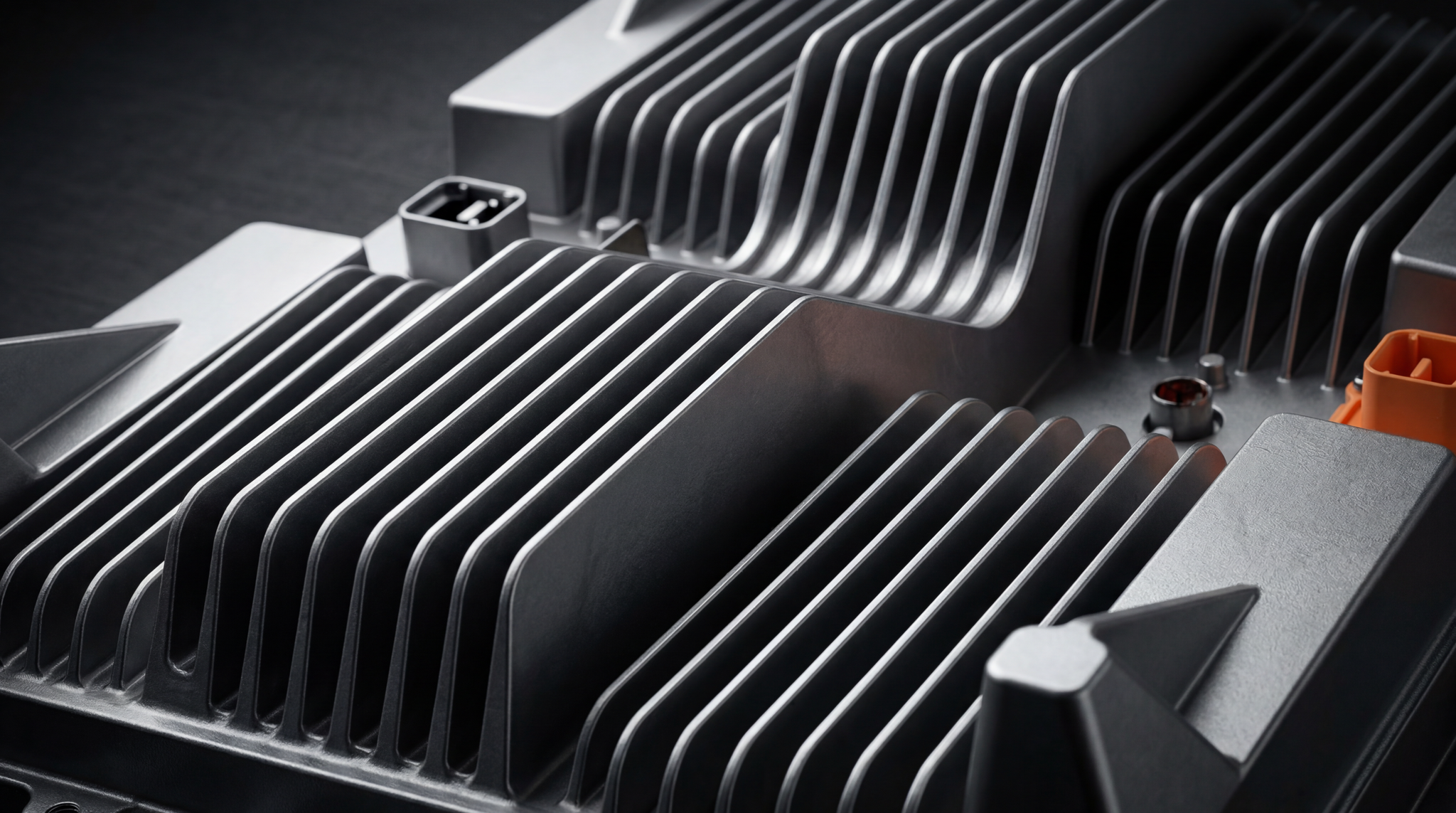
At the hardware level, each Pack Manager is a sealed metal enclosure with two circuit boards inside. Each board carries a converter and the controls that run it. Each converter has one set of power switches on the pack side, another on the bus side, and a transformer in between that keeps the two electrically separate. That separation is why a GM pack and a Rivian pack can share the same bus without ever seeing each other’s voltage. It takes whatever voltage the pack delivers, anywhere from older 400-volt platforms to newer 800-volt ones, and switches it at high frequency to turn it into a steady output on the shared bus. To charge the pack, it runs the same path in reverse. Keeping that efficient across such a wide voltage range is the hardest part of the design.
Our custom controller includes the microcontroller, gate driver, sensors, and protection and safety shutdown logic. It measures voltage and current continuously and adjusts to keep the pack safe and the output steady. It also monitors pack health in real time and can shut the pack down independently if a condition looks unsafe, without waiting on a system-level command.
Like the rest of the BESS architecture, the Pack Manager is built for reliability. It has no moving parts and no cooling loops. The boards are potted, sealed in a compound that pulls heat into the metal housing, so the unit cools passively. Each unit is rated for 15 or more years of service, and when replacement is eventually needed, it can be swapped as easily as the EV packs themselves.
Built for today’s energy demand
Today, companies from data centers to manufacturing facilities need a lot of power, fast, and the grid can’t add capacity fast enough. Some facilities are looking to reduce demand charges through precise peak shaving, some require fixed-capacity delivery and some are looking to transform variable resources into dependable power. All of them need power that stays on.
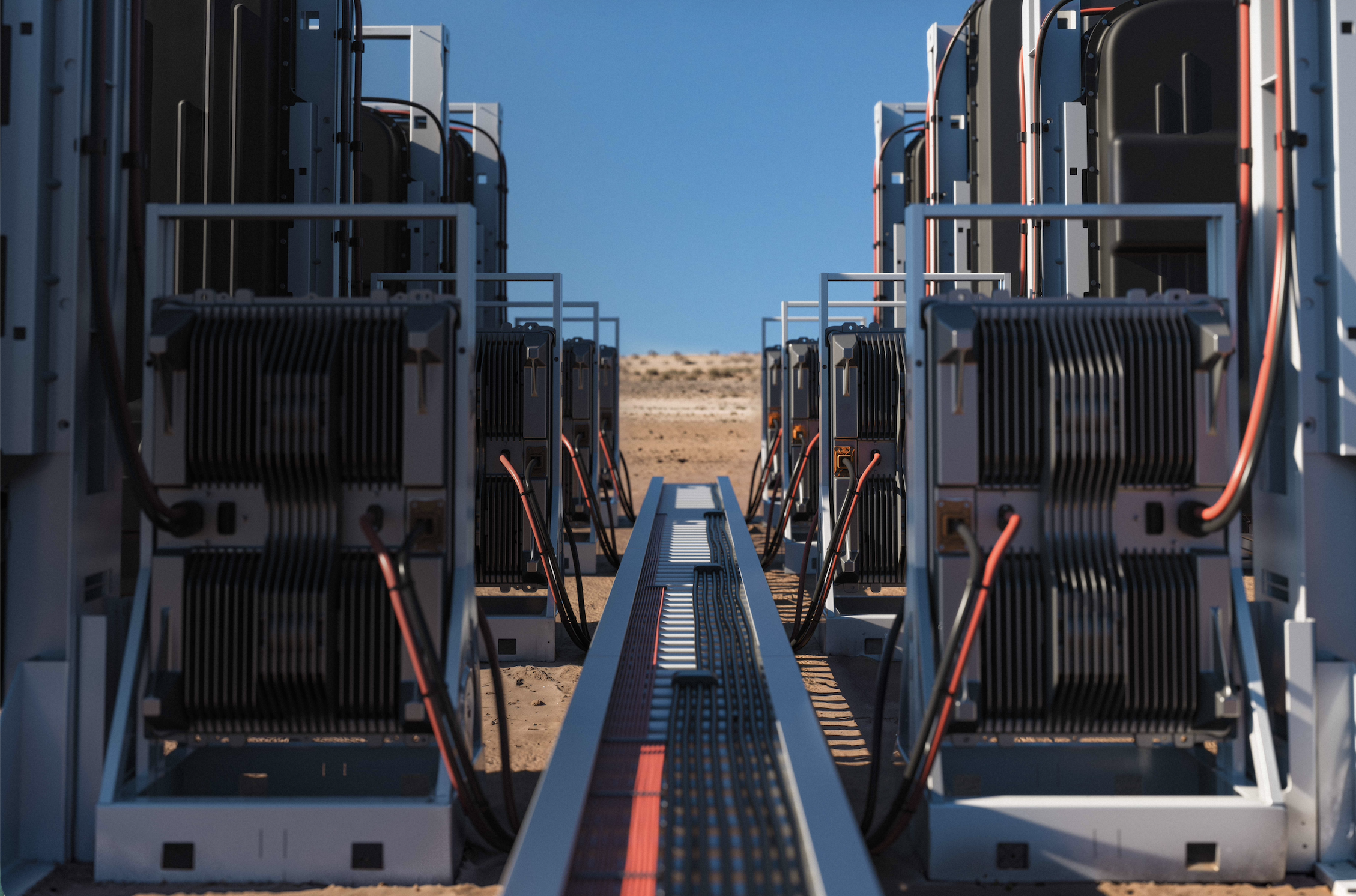
When Pack Managers are installed in a Redwood BESS, a site controller sits above them and aggregates real-time data from every pack in the system, including state of charge, state of health, and other operating metrics. The architecture is redundant by design: a pack or a Pack Manager can drop out, or be pulled for service, and the rest of the system keeps running. Our first system, a microgrid powering an AI data center for Crusoe, has run at better than 99% availability since launch.
Manufacturing for scale
Today, the Pack Manager production line is producing over 1,000 units per week and is on track to multiply that output. We’re also actively automating the next generation of our manufacturing line, so we can scale production alongside the growing fleet of packs entering the market.
At Redwood we’re solving the energy demand problem with durable, dependable storage systems. And we’re doing it with speed. Our solution is a repurposed, multi-chemistry, multi-manufacturer battery fleet that can be trusted to perform like one dependable asset.
The Pack Manager is what makes that possible.
News
Oct 14, 2026
The Redwood Energy Ecosystem
Read post

Jun 4, 2025
From the road to Redwood: Electric vehicle battery recovery
Read post

Jul 29, 2026
America's growing EV fleet is quietly becoming one of the most valuable energy assets in the country
Read post

Apr 1, 2026
How battery energy storage systems (BESS) bridge energy generation and demand
Read post